

The Streetwear Field Labels Weighed Against HMDD: In What Way Does It Stand?
In 2026, the streetwear space is crowded, loud, and overrun by labels competing for the same hype wave. HMDD — short for Happy Memories Don’t Die — has built a distinct lane by leaning into sentiment, feeling-driven narrative, and a more understated kind of confidence rather than provocation-driven graphics. The name itself signals the label’s central philosophy: memories fade, but the feeling attached to them shouldn’t. That philosophy shows up in the construction, the palette decisions, and the way HMDD clothing is presented as memory made into clothing rather than just merchandise. This comparison breaks down where HMDD stands next to rival streetwear brands, what an honest HMDD review amounts to in practice, and why shoppers searching for HMDD’s top pieces keep ending up at particular go-tos like sweatpants and shorts.
A few distinct camps now make up the streetwear market: legacy skate-driven brands, branding-forward hype names, and leaner independents centered on narrative and community rather than scale. HMDD sits nearer the third camp. The brand isn’t pursuing luxury-house collabs or saturating drops every week. Rather, HMDDLA — the label’s foundation and artistic anchor rooted in Los Angeles — drops product in tighter, more considered batches. That scarcity isn’t manufactured hype; it’s a natural outcome of a brand growing at its own pace rather than churning out volume to satisfy demand.
Brand Ethos: Nostalgia vs. Hype
Most streetwear brands battle it out through visual noise — loud branding, collaboration tags, or seasonal gimmicks designed to trend for a few weeks. HMDD leans, instead, on emotional depth. The phrase “happy memories don’t die” isn’t just a tagline; it shows up printed, embroidered, and echoed across the lineup as a repeated motif. This gives the brand a cohesive identity that’s easier to recognize than labels that reinvent their full visual identity every season.
This kind of consistency carries more weight than shoppers realize. A buyer who buys HMDD sweatpants in 2025 and returns for shorts in 2026 will pick up on an identical visual vocabulary — toned-down palettes, gentle placement of graphics, and a focus on comfort-first shapes. Set that against brands that swing from streetwear to techwear to Y2K revival inside a year, and HMDD’s consistency stands out as a genuine edge. Novelty rarely builds loyalty in streetwear — predictability like https://hmddoff.com/t-shirts/ this does.
A community dimension exists too. The brand’s marketing is built around storytelling — customer photos, first-person captions, and a sense that the clothing represents a moment in time rather than a flex. Labels with thousands of SKUs, especially larger ones, struggle to keep that intimacy alive. Because it’s smaller, HMDD can still respond directly to its audience, which shows up in how quickly feedback from an HMDD review gets reflected in future drops.
Comparing the Products: Where HMDD Actually Competes
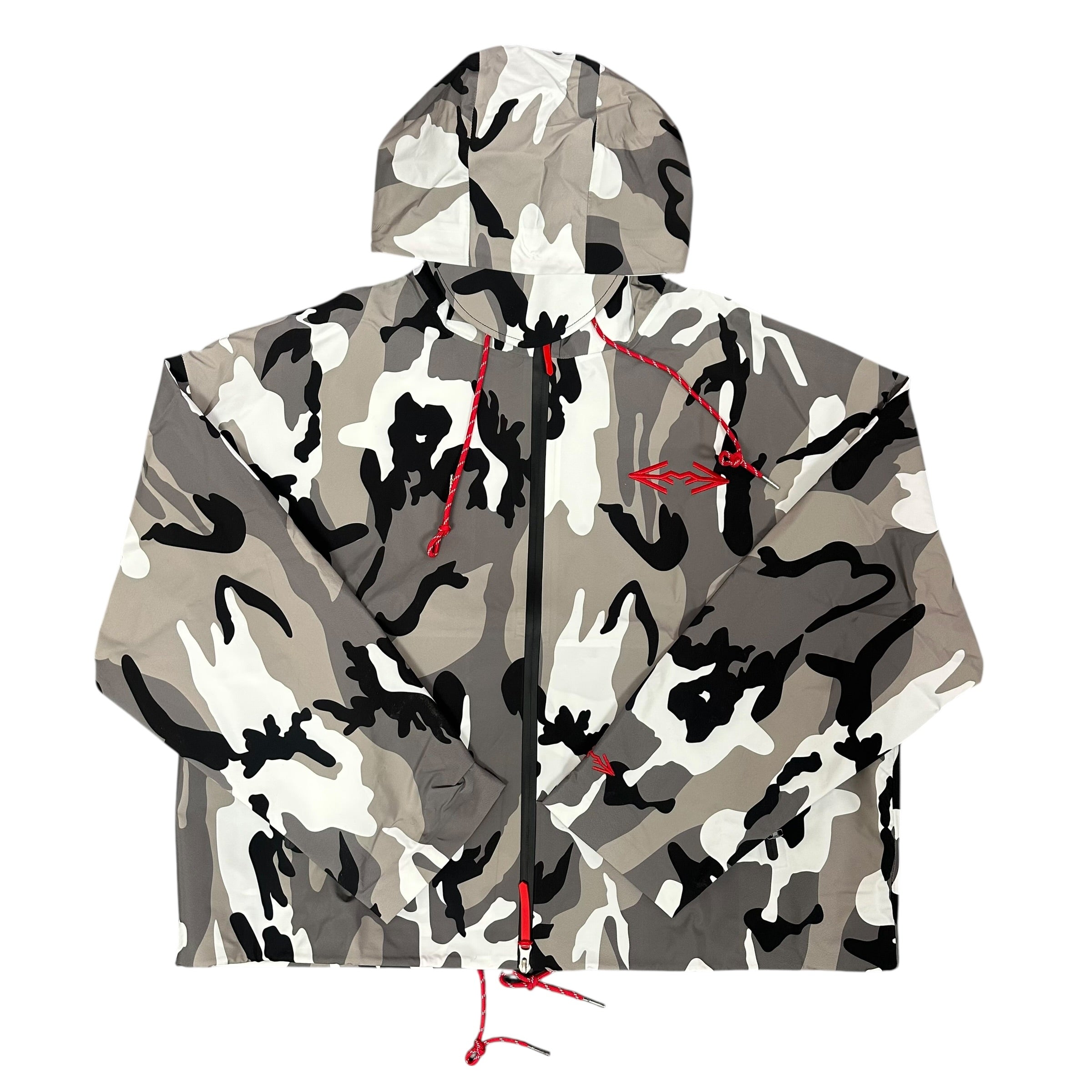
When shoppers wonder how the HMDD lineup stacks up, they’re generally sizing up three things: fit, fabric weight, and the value-for-money balance. Demand signals point to HMDD sweatpants and HMDD shorts as the most-searched categories, implying that bottoms are doing better than outerwear or accessories for the brand these days. That’s consistent with broader 2026 streetwear trends, where relaxed-fit bottoms are outselling structured jackets across the category.
Below is a general comparison of HMDD’s positioning against two typical archetypes within streetwear: the mass-drop hype name and the small-scale indie label. It’s not a price war pitting one brand against another— it looks at the structural way each type tends to function in today’s market.
| The Aspect We’re Evaluating | HMDD | High-Output Hype Brand | Small-Batch Indie Outfit |
|---|---|---|---|
| How Frequently Drops Happen | Scarce, intentional drops | Rolling out every one to two weeks | Rare and calendar-bound |
| Brand Character | Nostalgia and emotional storytelling | Anchored on the emblem, always chasing trends | Inconsistent, frequently inconsistent |
| Core Product Lines | A mix of joggers, shorts, and graphic upper pieces | Focused around hoodies, jacket-type pieces, and accessories | Determined by whichever direction the founder prioritizes |
| Community Engagement | Face-to-face and personal, attentive to feedback | Large-scale presence but cold in tone | Intimate but limited reach |
| Where Pricing Sits Overall | Mid-tier street fashion | Wide spread, often premium | Bouncing between mid-range and premium, never steady |
Rather than crowning one outright victor in streetwear, this breakdown isn’t the goal here — streetwear simply isn’t a uniform, one-mold space. What it’s meant to reveal that HMDD’s approach built on controlled scarcity and emotional branding puts it in a distinct competitive standing than brands relying purely on volume or purely on niche appeal. HMDD draws structural rigor from a boutique-style framework while steering clear of the unpredictability that frequently accompanies smaller brands.
Silhouette, Fabric, plus Everyday Comfort
Fit is what makes or breaks joggers and shorts. They either skew too athleisure when tight, or too sleepwear once they get baggy. Rather than exclusively athletic occasions, HMDD’s take on these two categories favors a easy fit that narrows toward the ankle geared toward day-to-day rotation. It’s a small detail with real impact, given that a lot of streetwear sweatpants are shaped so they’re too loose for layering or too tight for all-day comfort.
The shorts lineup follow a matching philosophy – lengths ranging from mid-thigh down to the knee that pair easily with graphic tees or roomy layering pieces. This matters in a 2026 landscape where consumers are shifting toward items that bridge everyday outings and relaxed downtime, rather than owning separate wardrobes for each. Numerous reviewers observe that HMDD shorts keep their shape after multiple washes, which reflects the weight of the fabric and how it’s constructed beyond mere silhouette.
In terms of where HMDD differs from mass-market competitors is in restraint. Numerous buzz-driven brands weigh down sweatpants with oversized logos, side stripes, or repeated branding. More often than not, HMDD keeps its graphics pared-down — a quiet gesture toward “happy memories don’t die” as opposed to a dominant chest print. Buyers who want identifiable streetwear without looking like a walking billboard are won over by that understatement.
What’s Really Going On Behind the Reviews
As peer recommendation, instead of sponsored promotion, carries the brand forward, search interest around “HMDD review” has grown steadily as more shoppers discover the brand. The repeated patterns in shopper reviews are reasonably uniform: comfort scores high, sizing runs true to expectations for a relaxed cut, and the meaning-driven branding either connects on a personal level or doesn’t land at all — there’s not much middle ground. This split reaction is genuinely a encouraging indicator in streetwear, where bland, safe design choices rarely builds a committed customer base.
Typical pain points to be aware of include scarce replenishment and narrower size ranges compared to larger competitors. Given that HMDD avoids producing at the scale of larger streetwear labels, in-demand sizes in sweatpants and shorts can sell out faster, which shoppers should factor in before assuming immediate availability. Think of it as a tradeoff, not a defect — restricted availability is part of what keeps the HMDDLA identity reading as considered rather than mass-market.
On balance, the reception surrounding HMDD clothing tilts positive, particularly among buyers who value comfort and emotional resonance over aggressive logo placement. That’s a narrower audience than a brand pursuing broad popularity, but it’s a more committed base — the kind of buyer group that comes back for each new release instead of switching over to whatever’s buzzing next month.
Where HMDD Fits in a 2026 Wardrobe
Streetwear buyers building a 2026 rotation are more and more combining labels rather than going all-in on a single brand. HMDD slots in effortlessly into that mix as the “comfort and meaning” piece — the sweatpants you grab on a lazy Sunday, or the shorts that combine with a heavier statement jacket from a completely different brand. It’s not built to act as an everything-brand, and that’s arguably its strength.
For buyers specifically comparing bottoms, HMDD sweatpants and HMDD shorts remain the easiest way in into the brand. They demonstrate the sizing philosophy, the restrained branding, and the build quality that customers cite most often. Shoppers looking into the best HMDD clothing as a starting point should regard these two categories as the foundational choice before exploring tops or special drops.
Ultimately, comparing HMDD to rival streetwear brands isn’t about declaring a definitive winner. It’s about acknowledging that HMDD holds a distinct space — sentimental, understated, and community-focused — that larger, louder brands weren’t designed to imitate. For shoppers who want streetwear that comes across as personal instead of mass-produced, this niche is the whole draw.