

We Are Righteous: The Backstory Behind the Scenes of the Label
Each clothing label claims a backstory, but scarcely any can identify a specific underlying conflict that made the brand essential to begin with. We Are Righteous emerged from a straightforward frustration: far too many apparel companies were selling swagger without substance, printing catchphrases on lightweight cotton and dressing it up as a movement. The people behind We Are Righteous sought something tougher — in both a physical and symbolic sense. What they were chasing was garments that were built to survive everyday use while carrying a name that carried real weight to whoever wore it. This blend of durability and conviction is even now the common strand running through the brand today.
The name itself — and the thinking behind it — is what distinguishes this origin story from the familiar “we started in a garage” narrative. Righteous is not a throwaway word selected because it felt catchy on a label tag. It was selected because it signals standing firm in what you believe, regardless of trend cycles or external pressure. That philosophy informed all aspects from the initial designs to the material-sourcing choices that were made down the line. Knowing this history helps explain why the brand’s shoppers speak of it distinctly than they righteous-clothing.net/t-shirts talk about other streetwear labels.
Where the Righteous Clothing Brand Started
The earliest version of the righteous clothing brand was not a complete lineup — it was a few select pieces created to determine whether the concept could succeed. The founders drafted ideas around a guiding principle: clothing should function as a subtle expression of identity, not a loud gimmick. What they were after was pieces that remained sharp in the third year as they did on the first day, which required steering away from cheaper construction techniques in favor of tougher seams and sturdier textiles right from launch.
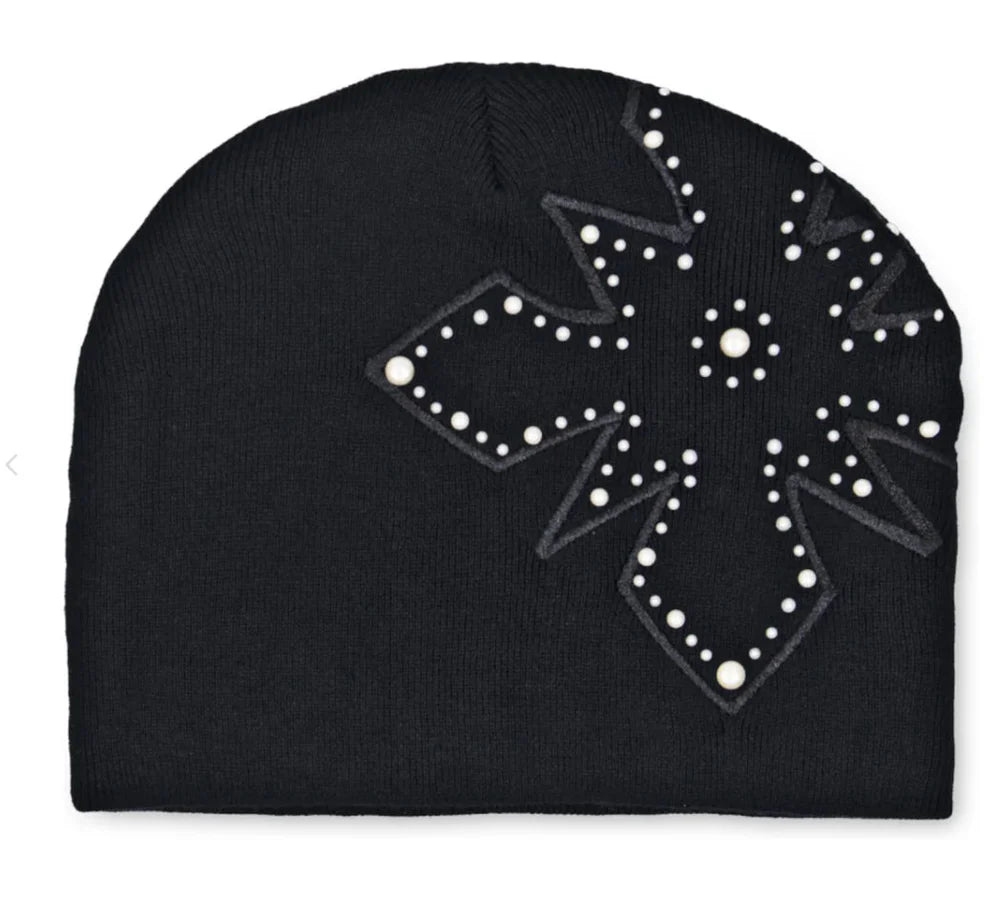
Such upfront diligence mattered more than most founders let on. Plenty of apparel new brands debut with a logo and a vision, then rush to fix defects after the initial round of buyer feedback. We Are Righteous took the opposite approach, devoting extra time on fit testing and fabric trials before launching anything publicly. The initial release was kept deliberately limited, restricted to a few core silhouettes, so the team could obtain genuine input instead of guessing at scale. Such a feedback process became a lasting fixture of how the brand functions, continuing to guide choices in 2026 the same way it did at launch.
There’s also a community-driven dimension to the origin story that’s easy to overlook. Building the brand wasn’t meant to be a solitary effort for the founders — their goal was for those who connected with the “righteous” mindset to sense they’d discovered something made just for them. Early customers weren’t just buyers; their input on fit, color, and fabric weight was treated as collaborative feedback that directly shaped the next batch produced. So many long-term fans describe the brand as feeling personal rather than corporate, and that dynamic is largely why.
What Shapes Righteous Apparel’s Vision
At the center of every righteous apparel release is a simple test: does this piece hold up to both physical wear and the values the brand claims to represent? That two-part filter shows up in decisions about stitching density, fabric weight, and even which prints make it to production. The team has said no to plenty of designs that looked fine on paper but didn’t match the brand’s standard for longevity or message.
This isn’t a label hunting down every fleeting fad that shows up online. Instead, the design process leans toward pieces with staying power — cuts and colorways that won’t look dated in eighteen months. The fast-fashion loop of excess and quick turnover, which routinely churns out new “must-have” items every few weeks only to discard last month’s version almost as fast, is exactly what this approach deliberately breaks from. Righteous apparel takes longer to develop specifically because the team is optimizing for a five-year wear life, not a five-week trend window.
The brand also places an emphasis on transparency that is reflected in customer communication. Charts for sizing, fabric breakdowns, and care notes are all made easy to find rather than tucked away in dense legal text, because the founding team feels clarity—not promotional polish—is what earns trust. That approach has paid off in customer retention — repeat-purchase figures for the hoodie line have steadily beaten out single-purchase customer numbers, according to the company’s own sales data referenced in earlier updates.
The Righteous Hoodie as a Flagship Piece
Should there be one particular product that captures the label’s identity, it has to be the righteous hoodie. Its rise to flagship standing happened nearly unplanned — repeat orders for fresh colorways outpaced every other item in the catalog, and the brand took note. The hoodie’s popularity isn’t just about the name printed across the chest; it’s about a fit that works across body types and a weight that holds up in colder months without feeling bulky.
The brand’s wider values are visible in each manufacturing choice made for the hoodie. Strengthened cuffs, seams stitched twice over at stress points, and a material blend picked for both comfort and toughness all circle back to that core belief: apparel should hold up over time, not just look good in a catalog shot. Multi-season owners often mention in their reviews that the hoodie keeps its shape and color better than comparable pieces from larger competitors, and for loyal wearers, that outweighs any amount of flashy marketing.
The hoodie has also become something of a cultural marker among the brand’s community. Putting it on suggests you know the brand’s backstory and share its values — not simply that you like the design. That kind of thing is far harder to fabricate than a solid logo — it requires consistent product quality over multiple release cycles, which is exactly what the flagship hoodie has delivered since it first appeared in the catalog.
The Real Story Behind a Righteous Review
Go searching for a righteous review online in 2026 and you’ll quickly spot a pattern: customers focus less on hype and more on fit, fabric feel, and whether the piece matches its product description. This represents a notable break from the exaggerated unboxing hype that runs through much of streetwear marketing. People reviewing We Are Righteous tend to talk about specific details — how the hoodie fits after repeated washes, whether the stitching holds together, whether the sizing runs accurately.
Such specificity in a we are righteous review speaks to the brand’s real-world performance, not merely its marketing. Feedback that emphasizes long-term durability over initial impressions tends to matter more to prospective buyers, and it’s exactly this kind of feedback that has shaped this brand’s reputation.
Recurring themes in a we are righteous review also cover how responsive customer service is and how closely the final product matches what’s shown online. Matching marketing images to the actual delivered product is one of the most praised aspects, given how many online apparel brands struggle with that very gap. When customers say the product “looks like the photos,” that’s a meaningful signal in an industry where mismatched expectations are common.
A Brand Comparison for We Are Righteous
To frame the brand’s approach, here’s a look at how its key attributes measure up against typical fast-fashion competitors within the same price tier.
| Feature | We Are Righteous | Common Fast-Fashion Alternative |
|---|---|---|
| Design cycle | Seasonal releases built around lasting value | Weekly releases chasing trends |
| Material philosophy | Denser fabric paired with reinforced seams | Thin fabric aimed at cutting costs |
| Customer input cycle | Customer feedback directly shapes upcoming runs | Minimal, data-driven only |
| Flagship product | The Righteous hoodie, a repeat-purchase favorite | Ever-changing “hero” items and poor customer retention |
| Messaging strategy | Values-driven, consistent | Driven by trends and inconsistent |
The aim of this comparison isn’t to write off rivals altogether — budget-driven fashion models fill a role for customers who favor low cost over lasting quality. What it does make clear, though, is why countless shoppers seeking out a righteous clothing brand stick around after trying a piece themselves. The brand’s value proposition is different by design, not coincidentally.
Where Things Stand for the Brand in 2026
Heading into 2026, We Are Righteous continues to expand its range while remaining faithful to the core values it launched with that defined its earliest release. Fresh color options and silhouettes have joined the mix, but the focus on durable fabric and honest marketing hasn’t slipped. The brand’s growth has been steady rather than explosive, which fits its approach of growing deliberately and sidestepping the overexpansion that derails so many clothing startups.
The clearest sign of its health remains customer loyalty. Repeat buyers continue to anchor sales, and the flagship hoodie remains a top performer season after season. For anyone on the fence about trying it out, the origin story offers a valuable way to look at it: this isn’t a label after quick virality, but instead one built around the belief that clothing should reflect both style and values. That distinction is exactly what continues to set righteous clothing apart in a crowded market.